

After intense training sessions, many fitness enthusiasts seek effective ways to speed up recovery and prepare for their next challenge. Among the most popular tools that promise muscle soreness relief and improved post-workout recovery, massage guns have quickly gained favor. Easy to use at home or in the gym, these handheld devices deliver targeted deep tissue massage, aiming to accelerate healing without requiring professional assistance.
How do massage guns promote post-workout recovery?
Massage guns operate by delivering rapid bursts of pressure—known as percussive therapy—directly onto muscles. This technique can relieve tightness, address knots, and support injury recovery in areas stressed during exercise. Many users turn to these benefits after demanding workouts to facilitate both muscle recovery and improved mobility. If you are considering integrating this technology into your routine, you might want to buy massage guns for workout recovery to maximize your results.
The ability to adjust intensity levels and swap interchangeable heads allows users to tailor each session to their needs. For instance, athletes focusing on lower body strength may target quads, hamstrings, or calves, while those recovering from upper body routines often concentrate on shoulders or back muscles.
What happens inside the muscle?
Percussive action boosts blood flow to the treated area. Enhanced blood circulation ensures oxygen and nutrients reach muscle fibers more efficiently, supporting healing and minimizing swelling. This effect can help shorten downtime between workouts.
The repetitive motion produced by a massage gun disrupts pain signals sent to the brain, resulting in noticeable pain relief—especially for tense or fatigued muscle groups.
Why target deep tissues?
Standard self-massage methods, such as foam rolling, often only impact surface layers. Massage guns with deep tissue settings penetrate further, effectively targeting densely packed knots and trigger points. This approach helps resolve chronic tension that might persist despite stretching or lighter massage techniques.
Many people not only experience less discomfort after exercise but also observe increased flexibility when muscle tightness is reduced. Relaxed muscles adapt better to new movements, decreasing the risk of strains or longer-term injuries.
Key advantages of using a massage gun for athletes and active individuals
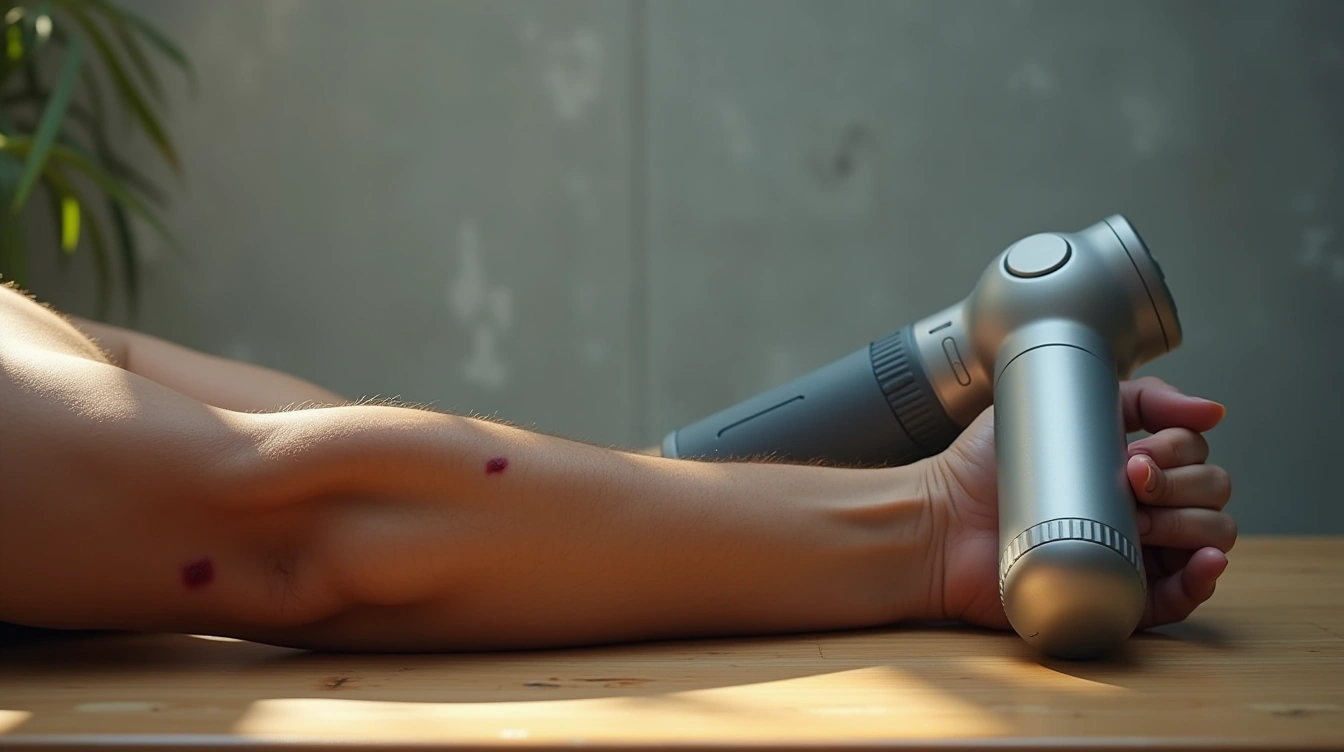
Massage guns appeal to both casual gym-goers and dedicated athletes seeking sustainable recovery routines. Their widespread popularity stems from practical advantages that go beyond pain management, impacting overall function and convenience.
A close look reveals how massage guns can complement and even enhance traditional recovery strategies by accelerating specific physiological processes essential for optimal performance.
- ⚡ Fast pain relief following training or competition
- 🛡️ Targeted aid during injury recovery phases
- 💪 Consistent application promotes muscle recovery without extra appointments
- 🔄 Contributes to speed up recovery between frequent workouts
- 🏃 Encourages improved mobility through regular use on problem areas
- ❤️ Boosts blood circulation for faster elimination of lactic acid buildup
- 🥇 Supports increased flexibility thanks to deeper muscle relaxation
Main features to consider when choosing a massage gun
The market offers a wide variety of models in this evolving category of fitness technology. Choosing the right device depends on personal goals, comfort preferences, and budget. Reviewing key features ensures you select a tool that maximizes the effectiveness of every recovery session.
Certain factors play a critical role in how well a massage gun supports your workout recovery process and delivers lasting results.
Intensity levels and attachments
Devices with multiple speed or intensity options allow precise control over pressure, making them suitable for both sensitive and robust muscle groups. Advanced models include various head attachments designed for specific zones—for example, a round tip for large muscles or a flat tip for joints and bony areas. These variations enable accurate treatment and provide deep tissue massage where it matters most.
Reviewing technical specifications clarifies how much power and versatility a model provides. Look for options that balance strong percussion with user comfort to avoid overuse injury or unnecessary soreness.
Portability and battery life
Portability becomes crucial if you travel frequently for competitions, work, or recreation. Compact designs fit easily into a gym bag, while reliable batteries ensure uninterrupted sessions.
For those training outdoors or moving between venues, long-lasting battery life offers added convenience and guarantees continuous access to muscle recovery aids whenever needed.
Scientific perspective: what studies say about massage guns
Researchers are increasingly examining the effects of percussive therapy and handheld massagers on exercise-induced soreness. While clinical data continues to evolve, several findings highlight measurable benefits related to pain reduction and recovery speed.
Comparisons with traditional massage reveal that targeted, consistent pressure can reduce delayed onset muscle soreness (DOMS) and positively influence athletic performance, especially when included in broader recovery routines.
| 📊 Study focus | 🧬 Reported benefits | 🎯 Population |
|---|---|---|
| Post-exercise soreness | Significant pain relief, decreased inflammation | Athletes, runners |
| Blood circulation | Improved blood circulation, better oxygenation | Athletes, sedentary adults |
| Mobility improvement | Increased flexibility, greater joint movement | General fitness participants |
Frequently asked questions about massage guns for post-workout recovery
Can a massage gun replace professional physical therapy?
Massage guns offer convenient self-care at home, providing muscle soreness relief and contributing to muscle recovery. While they are helpful for minor issues and improving mobility, they are not substitutes for medical advice or therapist-guided rehabilitation in cases of serious injury.
- 🤝 Effective for daily maintenance
- 🏥 Seek professional guidance for chronic pain or injury recovery
How often should I use a massage gun for best results?
For post-workout recovery, using a massage gun three to five times weekly strikes a good balance between effectiveness and safety. Overuse can lead to bruising or increased soreness. Regular short sessions maximize deep tissue massage benefits while maintaining muscle health.
- 🕒 Short sessions (1–2 minutes per muscle group)
- 🍏 Avoid direct use on injured or swollen areas
Which body parts benefit most from massage gun usage?
Larger muscle groups typically respond best, experiencing significant pain relief and increased flexibility. Commonly targeted areas include quadriceps, hamstrings, calves, glutes, back, and shoulders. Always follow device instructions and avoid applying the gun directly over bones or joints.
- 🦵 Legs (quads, hamstrings)
- 🦶 Calves, glutes
- 💪 Back, shoulders
Are massage guns safe for everyone?
Most healthy adults can safely incorporate massage guns into routines focused on pain relief and recovery. However, individuals with blood clotting disorders, nerve damage, or recent surgeries should consult healthcare professionals before starting any new self-treatment practice.
- ❓ Review contraindications in the user manual
- 👩⚕️ Consult health providers if unsure about potential risks
In summary, massage guns offer an accessible and flexible solution for anyone seeking to enhance muscle recovery, accelerate post-workout recovery, and improve mobility. As research continues, these devices are likely to become even more integrated into the routines of athletes and active individuals. Whether used alone or alongside other recovery methods, massage guns represent a valuable addition to modern fitness and wellness practices.